Why Your Hot Tub Keeps Tripping the Breaker
Hot tub keeps tripping the breaker? Learn what it means, how code has changed, and when a simple fix isn’t enough and you need an electrical service upgrade.
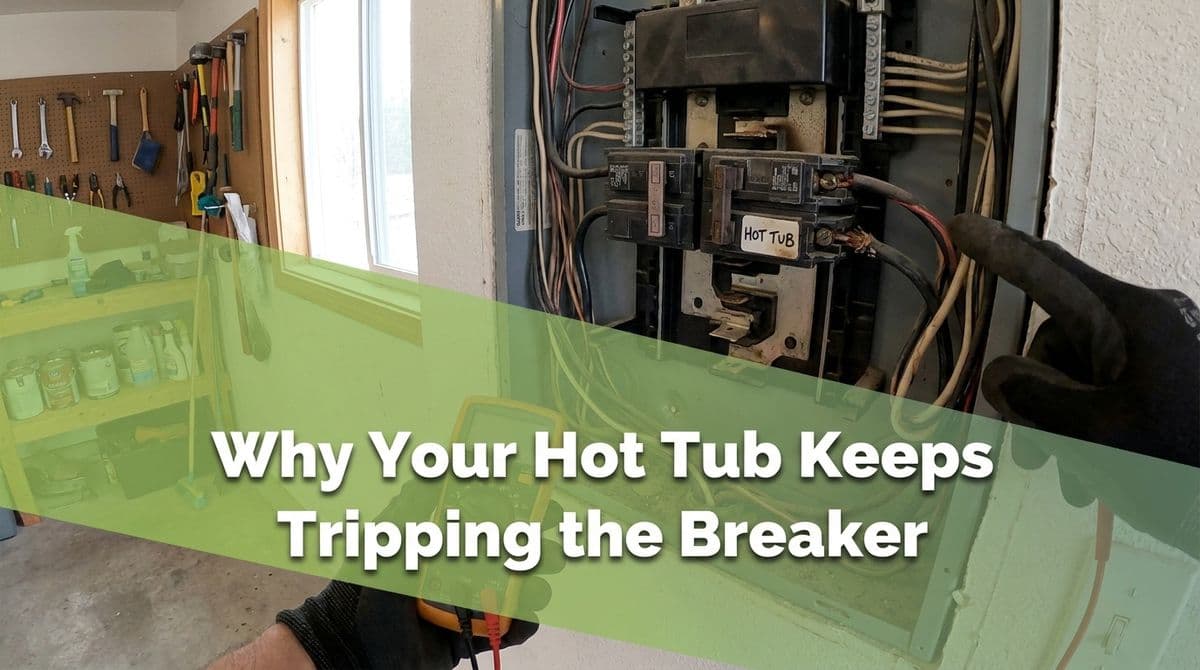
We recently got a call from a homeowner — let’s call her Emily — about a mountain house with a hot tub that kept tripping the breaker. On top of that, the main breaker panel was inside the house instead of near the tub, and she was pretty sure it wasn’t up to current code. She and her family were getting ready to sell, and she wanted the hot tub to be both safe and code-compliant for the next owner.
If your hot tub keeps tripping the breaker or your setup looks “grandfathered in,” you might be in the same boat Emily was. Let’s walk through what we explained to her: why this happens, what the electrical code expects, and when a simple fix isn’t enough and you really need a service upgrade.
Why Your Hot Tub Trips the Breaker
When Emily first called, her main concern was the constant nuisance trips. Any time a hot tub is repeatedly tripping a breaker, that’s your electrical system trying to tell you something.
Here are the most common causes we see:
- Overloaded circuit – The hot tub is sharing a circuit or panel space that’s already near its limit. When the heater, pumps, and other appliances run together, the breaker does its job and trips.
- Loose or corroded connections – Outdoor equipment sees a lot of moisture and temperature swings. Loose lugs or corroded terminals create heat and can cause intermittent tripping.
- Failing hot tub components – A bad heater element, pump motor, or internal wiring fault can create ground faults or short circuits that trip the GFCI breaker.
- Undersized or aging breaker/wire – Older installations may not be sized correctly for modern tubs or may have insulation that’s deteriorating over time.
If a breaker trips once during a storm, that’s annoying. If it trips again and again like Emily’s, that’s a safety issue that needs a licensed electrician’s eyes on it.
Hot Tub Electrical Code: What’s Changed
Emily had another smart question: “Our breaker panel is inside the house, not near the hot tub. I don’t think that’s code anymore, but it was when the house was built. Is that a problem?”
Electrical codes do evolve, especially for anything near water. While we don’t quote specific code sections over the phone (that depends on your local jurisdiction and the edition they’ve adopted), there are a few big-picture requirements that apply almost everywhere:
- GFCI protection – Modern hot tubs are required to be on a GFCI-protected circuit. That might be a GFCI breaker in a spa panel or in the main panel, depending on the setup.
- Dedicated circuit – A hot tub should not be sharing a circuit with kitchen outlets, lighting, or other big loads. It needs its own properly sized breaker and conductors.
- Proper disconnect location – There usually must be a spa disconnect within sight of the tub and within a specific distance range (close enough to access quickly, far enough to avoid splash zones).
- Correct wiring methods outdoors – Conduit, burial depth, and weather-rated equipment all matter for safety and longevity.
When a home was built before newer rules took effect, the existing setup might be considered “grandfathered.” But if you replace equipment, remodel, or sell the home, it’s very common for inspectors to expect the updated code to be followed. That’s exactly what we told Emily: we’d evaluate the existing system, but any replacement would need to be brought up to current standards.
When You Need More Than a Simple Fix
In some cases, we can solve hot tub tripping issues by tightening connections, replacing a failing GFCI breaker, or correcting a wiring problem at the tub. Those are the “easy wins.”
But there are times when the entire electrical service setup is the weak link. On our initial review of Emily’s situation, we suspected that getting her hot tub fully up to code would mean more than just swapping a breaker. Her panel location and the way the hot tub was fed likely meant:
- Relocating or adding a proper spa disconnect outside
- Possibly moving or upgrading the main panel or subpanel feeding the tub
- Running correctly sized and protected wiring between the panel and hot tub
That’s what we’d call a service upgrade rather than a simple repair. It’s an investment, but it pays off in safety, reliability, and smoother inspections when you sell.
How We Approach Hot Tub Electrical Visits and Pricing
Emily also wanted to understand how a visit would work and what it might cost. If we’re coming out primarily to diagnose an unknown issue, we treat that as a troubleshooting service call with an hourly minimum. That covers the time, tools, and testing needed to track down the problem.
In her case, though, we already knew from her description that the installation likely needed to be brought up to current code, including moving or adding equipment. For situations like that, we typically come out to inspect and quote the upgrade itself rather than bill immediately for troubleshooting. That way, you can see the full scope and price before committing.
Every home is a little different, but our goal is always the same: be clear upfront about whether you’re looking at a quick repair or a larger upgrade, and make sure any work we do will pass inspection and protect your family and property.
What Homeowners Can Check Before Calling
There are a few safe checks you can do before you pick up the phone:
- Verify the hot tub is on its own breaker, not sharing with other rooms or appliances.
- Look for a labeled GFCI breaker or spa disconnect within sight of the tub.
- Check that the cover on any outdoor box is intact and that there’s no obvious damage to conduit or cables.
- Make note of when the breaker trips – only when the heater kicks on, only on high speed, only during rain, etc. Those clues help us diagnose faster.
What you shouldn’t do is keep resetting a breaker that trips over and over or try to open live electrical equipment yourself. If the breaker keeps going, that means something isn’t right.
Thinking About Safety and Resale
Just like Emily, a lot of homeowners call us about hot tubs when they’re getting ready to sell. It’s a smart move. A properly wired, code-compliant spa setup is something an inspector will look at closely, and it’s something buyers feel good about.
If your hot tub is tripping the breaker, the disconnect isn’t near the tub, or the whole setup “looks old,” it may be time to have a licensed electrician take a look. We’ll help you figure out whether you’re due for a simple repair or a full electrical service upgrade — and make sure that relaxing soak in the hot tub is also a safe one.